Full service of five strong departments
Technology & Markets

The main focus of the Technology & Markets Department are technological developments in renewable carbon conversion and its markets. Our experts combine technological expertise and insight with market research and industry feedstock conversion needs. Complementary to this, we offer technology scouting and monitoring of evolving technologies and markets in the field of biomass, CO2 conversion and advanced recycling, to establish circular and renewable carbon-based value chains.
24 02 16 technology market 2
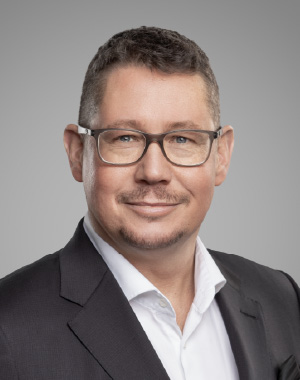
achim.raschka
Achim Raschka

Head of Technology & Markets

The renewable carbon economy is a young and dynamic sector – it can be hard to keep track. Innovation and technology scouting are therefore key strategies for organisations wishing to remain competitive in today’s dynamic business environment. If you want to gain insight into the evolving technology landscape of renewable carbon conversion technologies, you need to systematically search and monitor emerging technologies, as well as to foster adaptability and resilience to accelerate the pace of innovation. nova closely monitors emerging technologies and assesses their potential. We provide you with information tailored to your specific needs.

Market research for technologies in the area of renewable carbon plays a pivotal role in understanding and capitalising on opportunities within the realm of sustainable innovation. It explores the significance of targeted markets in the bio-based- and CO2-based sector, focusing on the identification of trends, technologies, consumer preferences, and competitive landscapes. By examining market, capacities and price dynamics, companies can strategically position themselves to leverage the growing demand for environmentally friendly alternatives. nova provides effective market research tailored to your technology needs, facilitating informed decision-making and successful market entry.

Supply and demand analysis is a fundamental framework in economics that unveils the intricate dynamics shaping markets within the field of renewable carbon. It explores the interplay between supply and demand as a cornerstone for informed decision-making in various industries. Examining product availability and consumer preferences, the analysis provides a comprehensive overview of markets, production capacities, pricing strategies, and potential disruptions. Recognising the pivotal role of supply and demand insights, organisations can optimise technology developments, resource allocation, mitigate risks, and seize opportunities in dynamic and competitive environments. nova provides supply and demand analysis as a strategic tool for navigating market complexities and fostering sustainable business development.

Feasibility and potential studies for technological developments and value chains are essential precursors to strategic decision-making, offering organisations valuable insights into the viability and opportunities associated with prospective ventures. Such assessments not only identify potential challenges and pitfalls but also uncover opportunities, providing a roadmap for resource optimisation and risk mitigation. They help shaping informed business strategies, enabling organisations to navigate uncertainties and enhance the likelihood of successful ventures.

Trend and competitive analysis are integral components of strategic planning, offering organisations a lens into the evolving market dynamics and competitive landscape. It is important to stay abreast of emerging trends and to understand competitors’ behavior to make informed decisions. By leveraging data-driven insights, businesses can identify opportunities, anticipate shifts in consumer preferences, and strategically position themselves in the market. In a fast-paced business environment, understanding trends and competitors becomes a strategic imperative for sustainable growth and market leadership and nova can help to understand these dynamics.

We provide commercial and technical due diligence for the renewable chemicals industry, supporting investors, lenders and companies preparing for funding or strategic growth. Our work combines deep market insight with thorough technology assessment to validate feedstocks, processes, costs and scalability. We help clients understand real market demand, competitive positioning and regulatory drivers. From early-stage technologies to large-scale projects, we support decision-making through clear and independent analysis in both market realities and technical analysis.

To assess the commercial viability of innovative technologies, we carry out a range of analyses, from short hot-spot assessments to target pricing and full techno-economic assessments. It connects engineering reality with financial outcomes so you can decide what to build, scale or fund with confidence in both research and industrial projects. We translate technical designs, performance assumptions and operational requirements into detailed cost, revenue and profitability models. By stress-testing scenarios – CAPEX/OPEX, pricing, utilisation, supply constraints and technology risks – we identify the true drivers of value and break-even points. You get a transparent, decision-ready business case with sensitivities, key risks and actionable levers to improve returns. Whether you’re assessing a new technology, plant or product line, our evaluation turns uncertainty into a clear investment roadmap.

Policy & Strategy

The Policy & Strategy Department has expertise in policy analysis, strategy development, certification and labelling, social impact assessment and consumer research. In a rapidly changing world, we support your company to align your strategies with shifting sustainability needs, consumer demands and regulatory requirements. At the interface between private and public sector stakeholders, we have long experience of “translating” between governments, consumers and NGOs on the one hand, and industry, SMEs and leading researchers on the other. Often, these two sectors do not speak the same language. We help find common ground, align expectations and deliver win-win solutions.


24 02 16 economy policy 3
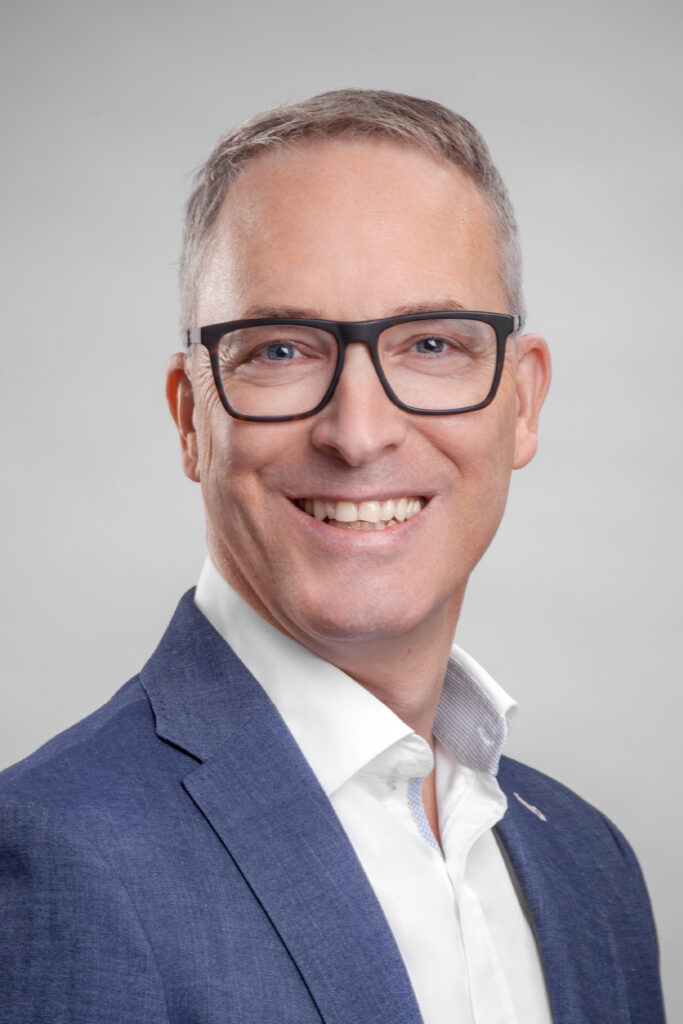
lara.dammer
Lara Dammer

Head of Policy & Strategy

Companies face a multitude of shifting sustainability needs, consumer demands and regulatory requirements – adapted strategies are needed to build resilience and become future-proof. With our combined expertise on markets, ESG requirements, innovation and regulation, we deliver high-quality strategic advice, tailored towards your company’s need.

Do you want to set up a new bio-based, CO2-based or recycling process, or exploit existing by-products, but are unsure of the policy framework? In a rapidly changing environment, we can review the relevant policy and regulatory frameworks and let you know which pitfalls to avoid and which opportunities to seize.

If you want to ensure that you are using only sustainable raw materials and communicate the benefits of your product to a wide range of customers, then certificates and labels come into play. They can be a valuable tool for building consumer confidence – but how to make sure that a label is the right choice for you? And which one to select from the jungle? What do you need to certify your product? Talk to us about the right strategy for you.

For regions wishing to raise their bio-based profile, we assess the current structure of the bioeconomy, calculate biomass potentials, analyse strengths and weaknesses, illustrate success stories, connect stakeholders across value chains and provide policy recommendations for innovation, green growth, value creation, employment and climate change mitigation.

The Economy & Policy Department regularly publishes comprehensive reports — explore all publications and graphics for in-depth insights into renewable carbon policy frameworks, economic impacts, market dynamics, and regulatory developments.

Sustainability

The Sustainability Department supports customers and partners in operationalising the broad field of sustainability. At the heart of all our activities is Life Cycle Assessment (LCA), a powerful tool for analysing the environmental impact of products, processes or companies from cradle to grave. In addition to LCA, we offer a wide range of other assessment methods to ensure a holistic understanding. Our team of chemists, biotechnologists and engineers have extensive experience and knowledge in renewable carbon and related fields – all to help you best manage your sustainability.

Sustainability
Matthias Stratmann, head of sustainability
Matthias Stratmann

Head of Sustainability

Sustainability efforts need a starting point. That’s why we spend several days assessing specific technologies, value chains, products or companies. We provide initial quantitative figures and identify what matters most. Clients gain insight into upstream and downstream processes beyond their traditional scope, learn and understand LCA methodology, and can make informed decisions based on the results.

Sustainability is still a new, challenging and evolving topic in the business context. Learn about the different aspects, indicators and terminology of sustainability. Understand established assessment methodologies and their shortcomings. Bridge the gap to your stakeholders and engage with them on an equal footing. Courses can be tailored to the needs of your organisation.

Strong communication requires reliable background information. We produce comprehensive LCA/CFP reports in accordance with ISO 14040/44, ISO 14067 or other related standards (i.e. for use in an EPD). We can also assist with summary formats for appropriate communication to different stakeholders.

Increasingly, reporting requirements include company and product scope CO2 emissions. Scope 1,2,3 emissions need to be quantified for corporate reporting purposes and cradle-to-gate carbon footprints are required on datasheets to enable customers to perform their own carbon footprint calculations. We can help you navigate the different standards and categories, identify overlaps and synergies between assessment types, and provide data such as emission factors for purchased materials.

Sometimes LCAs or other studies need to be reviewed to enhance their credibility. In this case, we offer our unique expertise in renewable carbon, which can be incorporated into your LCAs or CFPs through the review process. At the end of the process, you will receive a review letter from nova and benefit from the review of a well-known and respected institute.

The Sustainability Department regularly publishes comprehensive reports — explore all publications and graphics for in-depth insights into environmental impacts, life cycle assessments, sustainability metrics, and circular economy strategies.

Communications & Marketing

The Communications & Marketing Department manages all press, communication and marketing activities for nova, clients and related European research projects. Our mission is to create measurable impact through strategic communication. Working across all nova departments, we ensure that complex research and industrial innovation are translated into clear, engaging and accessible messages that reach the right audiences. Our portfolio combines communication strategy, science dissemination, marketing support, social media and event organisation – all designed to bridge the gap between research, policy and market action.


Communications
Stefanie Fulda, head of communications
Stefanie Fulda

Head of Communications & Marketing

We develop comprehensive communication and dissemination strategies for EU-funded research initiatives and industrial partners. Our team conducts in-depth B2C and B2B research to guide positioning, message design and audience targeting. We actively engage stakeholders across industry, policy and research through targeted dialogue formats and tailored content, ensuring consistent alignment and long-term commitment throughout the project lifecycles. The result: clear communication roadmaps that connect vision with measurable outcomes.

Our experienced science communication experts manage all dissemination activities for international research projects. From branding to exploitation planning, we ensure that research results achieve visibility and generate real impact across scientific, policy and industry communities. We also support science-related innovations within industries by translating complex findings into targeted communication strategies that highlight technological potential, strengthen credibility and accelerate market adoption.

We strengthen visibility and reach for bio-based businesses and innovation projects. Through proven cross-media campaigns, we support brand development, build partner networks and highlight technological advances in the bioeconomy. Leveraging nova’s extensive business network and established industry channels, we provide direct access to key markets and decision-makers. This allows our partners to position their innovations effectively and reach target audiences with maximum relevance and credibility.

Translating complex technical or scientific topics into diverse formats is our specialty. By combining scientific accuracy with accessible storytelling, our team ensures that content resonates with both experts and non-experts alike. We manage a wide array of channels — including social media, press relations and newsletters — covering 19 focus areas. With access to more than 80,000 contacts across companies, associations, and institutes, we ensure messages reach the audiences that matter most.

We host and manage conferences, workshops, webinars, and the exclusive nova talks. These activities connect science, policy, and business stakeholders, fostering meaningful exchange and collaboration in renewable carbon and circular economy fields. By bringing together diverse perspectives and facilitating direct dialogue, our events serve as catalysts for stakeholder engagement and collective action. They create visibility for research outcomes, accelerate knowledge transfer, and generate real impact by turning shared insights into tangible strategies for transformation. Participation is possible in various forms – including sponsorship, exhibition and advertising – offering partners valuable opportunities to highlight their innovations and engage directly with key decision-makers.

Renewable Feedstocks

The Renewable Feedstocks Department provides essential data, analysis and strategic intelligence to help the chemical industry transition away from fossil fuels. We analyse the global and regional availability, demand, costs, and sustainability of all renewable carbon sources, from biomass and CO2 to recycled waste. By hosting the office of the Renewable Carbon Initiative (RCI), we establish a direct connection between pioneering advocacy and practical scientific analysis, assisting businesses and policymakers in shifting their focus from ‘why’ to ‘how’ to transition.


rci icon
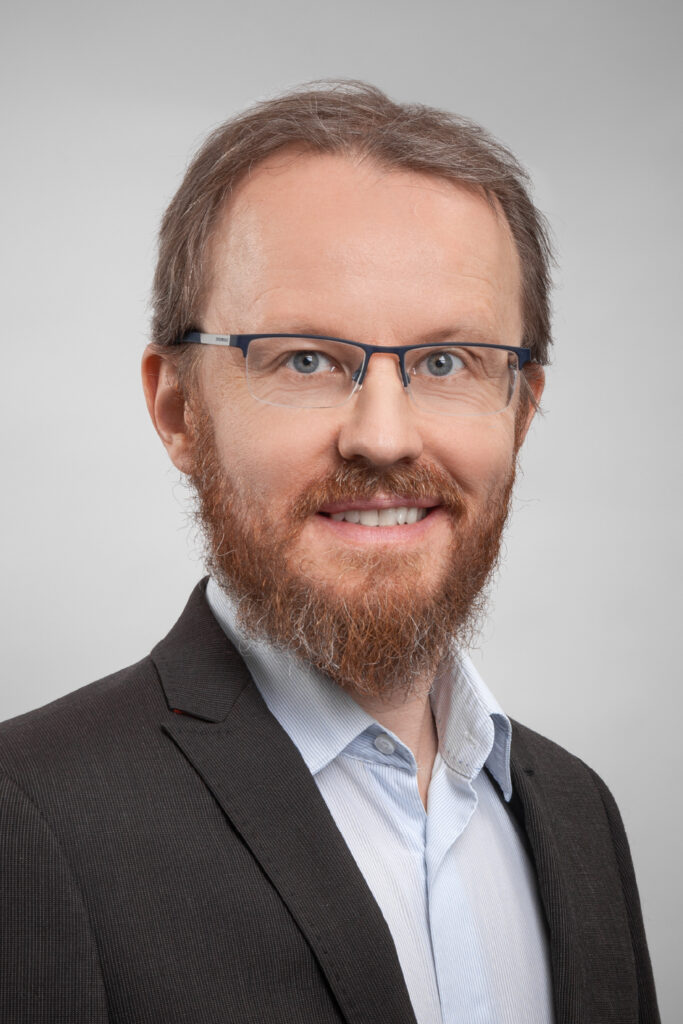
christopher.vomberg
Christopher vom Berg

Head of Renewable Feedstocks

We assess the quantitative potential and geographic availability of all renewable carbon streams. Our analyses provide detailed breakdowns of biomass (sugar, starch, oils, and lignocellulose), sources of CO2 (point capture and direct air capture (DAC)) and recycled carbon (plastic waste and municipal solid waste), forming the foundation for strategic sourcing and investment decisions.

Understanding market dynamics is essential for commercialisation. We conduct in-depth analyses of demand sectors, price drivers and cost structures for renewable feedstocks and their derived chemicals. This service helps to identify market opportunities, premium applications and viable entry points for new technologies.

Building on our pioneering carbon flows reports, we map the flows of carbon through the economy. This Material Flow Analysis (MFA) is crucial for identifying bottlenecks, quantifying circularity potential and modelling the systematic impact of transitioning from fossil to renewable carbon on regional and global scales.

In close collaboration with our Technology & Markets experts, we develop detailed roadmaps for the production of specific products from various feedstocks. This service involves analysing specific technological pathways for converting various renewable feedstocks into essential platform chemicals and polymers. It provides clarity on the practical steps required for industrial decarbonisation. We also scout and monitor emerging technologies for converting biomass, CO2 and waste streams. This service identifies innovative processes that can improve the efficiency, sustainability and economic viability of your feedstock strategy.

Together with our sustainability experts, we evaluate the environmental and social impacts of renewable feedstock value chains. Our Sustainability Department experts apply Life Cycle Assessment (LCA) and other methodologies to help you quantify and communicate the footprint of your sourced biomass, CO2 or recycled carbon. This ensures that your transition is not only defossilised, but also truly sustainable.

Navigating the complex policy landscape is essential. Our Policy & Strategy experts analyse regulatory frameworks and certification schemes specific to renewable feedstocks. Combined with our assessments of supply resilience and sustainability, we provide a comprehensive strategic advisory service to help you manage risk and guide your transition strategy.

This department is the administrative home of the RCI office. Housing the RCI within the department creates a strategic hub that facilitates direct exchange between the initiative’s advocacy work and applied scientific research on renewable feedstocks.